
Biostimulation – Targeted support for skin quality
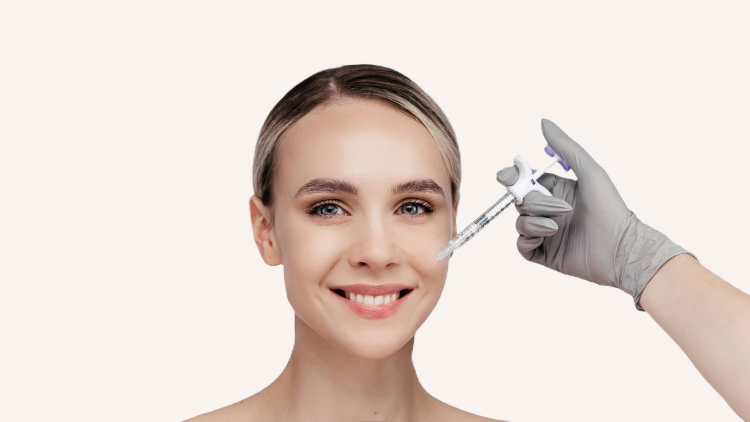
Modern aesthetic medicine does not always have to involve adding volume or treating individual wrinkles. Biostimulation techniques take a different approach: they focus on the quality of the skin and tissue and can support the body’s own regenerative and remodelling processes.
As we age, it is not just the volume of the face that changes. The skin becomes thinner, loses moisture and elasticity, collagen production decreases, and deeper tissue structures also change. As a result, the face may appear more tired, facial contours lose their definition, and fine lines become more visible.
This is precisely where modern approaches to biostimulation come into play. Depending on the individual situation, injectable preparations or device-based treatments – known as energy-based devices – can be used, either on their own or in combination.
The aim here is not to alter the appearance of the face, but to support skin quality, firmness and tissue structure as naturally as possible.

What does ‘biostimulation’ mean?
The term ‘biostimulation’ encompasses a range of techniques that can stimulate or support regenerative processes in tissue.
However, there is no such thing as „the one“ biostimulator. Rather, the treatments differ significantly in their mode of action and their areas of application.
Some procedures are primarily aimed at Collagen synthesis and tissue firmness, whilst others focus more on Hydration, elasticity or skin texture. Still others act on deeper layers of tissue and can help to support sagging contours.
Broadly speaking, two main groups can be distinguished:
Injectables
Biostimulating and skin-enhancing injection treatmentsEnergy-Based Devices (EBDs)
device-based procedures that use controlled energy pulses to stimulate remodelling and regeneration processes in the tissue.Which treatment is appropriate therefore depends not only on age, but above all on what has changed and what the desired outcome is.
Experience and expertise in biostimulation
Precisely because biostimulation now encompasses a wide range of different products, technologies and treatment approaches, a nuanced medical assessment is crucial.
Dr Michaela Montanari has been working extensively for many years on modern techniques in aesthetic medicine and the targeted improvement of skin and tissue quality.
As a speaker for the German Society for Aesthetic Botulinum and Filler Therapy (DGBT), an internationally active key opinion leader, and through workshops, webinars and specialist lectures, she regularly shares her expertise in modern injectables and device-based treatment approaches. Her expertise in the field of aesthetic medicine has also been recognised with several awards.
The focus is not on a specific preparation or device, but always on the question:
Which treatment is best suited to this skin, this tissue and this face?
After all, not every skin type requires the same form of biostimulation – and not every aesthetic concern can be treated optimally with a single procedure.
Biostimulation using injectables/fillers
Injectable treatments can be used in various ways to improve skin quality, elasticity, hydration or tissue structure.
Calcium hydroxyapatite – collagen stimulation and tissue structure
Calcium hydroxyapatite, or CaHA for short, is one of the established injectable biostimulants.
Depending on the preparation, dilution, treatment site and injection technique, calcium hydroxylapatite can fulfil various functions. In the context of biostimulation, the primary focus is on Stimulation of remodelling processes and new collagen formation in the foreground.
This treatment may be of interest, for example, if the skin and tissues are losing firmness or if the aim is to improve the skin’s texture.
A careful assessment of the patient’s needs and the choice of an injection technique tailored to the individual are crucial for achieving a natural-looking result.
At our practice, we use the product Radiesse® from Merz.
Polynucleotides – Regeneration and Skin Quality
Polynucleotides have become increasingly important internationally in recent years. They are used in particular to improve skin quality.
The focus is on, amongst other things, Skin texture, elasticity and hydration. Owing to their special properties, polynucleotides may also be of interest for sensitive or thin areas of skin – such as the eye area.
The scientific evidence is currently evolving. Initial studies and reviews show promising results, but further high-quality research is still required.
At our practice, we use products from PolyPhil Croma Pharma.
Skinbooster & Profhilo® – when hydration and skin quality take centre stage
Not every change requires volume. Particularly when the skin loses moisture, elasticity and firmness, hyaluronic acid-based treatments can be used which do not focus primarily on traditional wrinkle fillers.
Skinboosters and Profhilo® primarily improve hydration and the dermal microenvironment. Injected hyaluronic acid binds water in the skin and can thereby improve elasticity and skin structure. Depending on the preparation used, there is also evidence of fibroblast activation and changes to the extracellular matrix. However, unlike traditional collagen biostimulators, the treatment does not focus on pronounced neocollagenesis.
Typical treatment areas include the face, neck, hands and décolleté.
Profhilo Structura® – Biostimulation of fat compartments
Profhilo Structura® differs from traditional hyaluronic acid fillers in its treatment approach.
The focus is not primarily on skin hydration, but rather on the targeted treatment the lower-lying Fat compartments of the face, which may change as we age.
As we age, the volume, structure and distribution of facial fat tissue change. As a result, facial contours may lose their definition, certain areas may appear sunken, and the tissue may appear less firm.
Profhilo Structura® is injected specifically into selected superficial fat compartments. The aim is to support regenerative processes in these areas and to have a positive effect on the structure of the tissue. The treatment therefore takes a different approach to traditional hyaluronic acid fillers: the primary aim is not to „fill“ volume mechanically, but to specifically address age-related changes in the fatty tissue.
Biostimulation using energy-based devices
Biostimulation does not necessarily have to involve injections.
Modern energy-based devices use controlled energy to trigger specific processes in the tissue. Depending on the technology, different depths of the skin and tissue can be treated.
RF mesoneedling – a combination of radiofrequency and microneedling
RF mesoneedling combines fine needles with radio-frequency energy.
The needles deliver energy in a controlled manner to specific layers of the skin. This creates targeted thermal stimuli which can support remodelling processes and the formation of new collagen.
RF mesoneedling may be of particular interest in the following cases:
- decreasing skin firmness
- fine lines
- uneven skin texture
- enlarged pores
- certain scars
- a generally less even complexion
Depending on the initial findings, several sessions may be advisable. Here at our practice, we use the method developed by DoubleTite.
Ultherapy® – micro-focused ultrasound for deeper layers of tissue
Ultherapy® uses micro-focused ultrasound energy at three different tissue depths. A distinctive feature of the procedure is the simultaneous ultrasound visualisation. This allows the tissue structures to be visualised during treatment and the energy to be delivered precisely at defined depths.
The controlled energy pulses stimulate remodelling processes and the formation of new collagen. The result is therefore not achieved immediately through the addition of volume, but develops gradually.
Ultherapy® is used in particular for non-surgical skin tightening, for example in the area of Jawline, lower face, neck, forehead and eyebrows used.
Which biostimulator is the right one?
There is no one-size-fits-all answer to this question – and that is precisely what sets it apart from a standardised treatment approach.
- Is dry, thinning skin your main concern?
- Is the issue one of reduced strength?
- Is the problem more to do with the skin’s surface texture and pores?
- Or have deeper underlying structures and facial contours already changed?
Only after analysing the skin, subcutaneous tissue, facial anatomy and the individual’s ageing process can a decision be made as to which treatment is appropriate.
As a general guide, different methods may focus on different aspects:
| Focus | Procedure |
|---|---|
| Moisture and skin quality | Skin boosters, Profhilo®, polynucleotides |
| Thin skin and fine lines | Polynucleotides, Skinbooster, Profhilo® |
| Collagen stimulation and firmness lines | Calcium hydroxyapatite (Radiesse®), RF mesoneedling, Ultherapy® |
| Skin texture and pores | RF mesoneedling |
| Skin tightening without injections | Ultherapy® |
Biostimulation or fillers – what’s the difference?
Biostimulators and traditional hyaluronic acid fillers serve different purposes.
A filler can, for example, be used to to build volume in a targeted manner, define contours or support specific structures.
In contrast, biostimulation-based treatment approaches place greater emphasis on the Quality and the body’s response at the centre.
However, the distinctions are not always clear-cut. Depending on the product and its application, some preparations may possess both structural and biostimulating properties.
That is why the crucial question is not:
Filler or biostimulator?
Rather:
What does the face actually need?
Can different biostimulants be combined?
Yes. It is precisely the combination of different mechanisms of action that can be beneficial.
For example, one treatment may target the skin’s surface and structure, whilst another treats deeper layers of tissue. Injectables and energy-based devices can also be combined as part of tailored treatment plans.
The key factors here are the correct sequence, appropriate intervals between treatments and a clear therapeutic objective. Simply carrying out as many treatments as possible does not automatically lead to a better outcome. Rather, each measure should fulfil a specific role within the overall treatment plan.
Can biostimulation replace a facelift?
No. Biostimulation and device-based treatments can improve skin quality and – depending on the method and the initial condition – also firmness and contours. However, they can Tissue that has sagged significantly cannot be surgically restored to its original position.
In cases of advanced skin laxity, a facelift may therefore be the more medically appropriate treatment. It is particularly important to provide realistic advice in such cases: a good aesthetic treatment plan should not promise what a particular method cannot deliver.
As a specialist in plastic and aesthetic surgery, Dr Michaela Montanari is able to assess both surgical and non-surgical options and decide, together with her patients, which approach is best suited to their individual circumstances.
Frequently asked questions about biostimulation
At what age does biostimulation become beneficial?
There is no set age at which biostimulation treatment becomes necessary or advisable. It is not the number on one’s identity card that matters, but the individual changes in the skin and tissue. Some patients are keen to improve their skin quality at an early stage, whilst others only develop a need for such treatment much later.
Treatment should therefore always be based on specific findings – not as a precautionary measure simply because of a person’s age.
When will I see the results of biostimulation?
That depends very much on the specific procedure. In treatments that rely on remodelling or collagen-formation processes, the result usually develops step by step. The body needs time for these processes.
Other treatments can help achieve a fresher complexion sooner through improved hydration.
How many sessions will I need?
This, too, depends on the method, the initial situation and the desired outcome. Whilst some therapies can be carried out as a single session, others require several sessions at specific intervals to begin with.
The individual treatment plan is therefore drawn up following a personal consultation.
How long does biostimulation last?
Biostimulation does not permanently alter the ageing process. How long the results remain visible depends, amongst other things, on the method used, the individual’s metabolism, age, skin condition and lifestyle. Depending on the procedure, follow-up treatments may be advisable at a later date.
Is there any downtime following biostimulation?
That depends on the treatment. For example, following injectables, minor swelling, redness or bruising may occur temporarily. Following procedures using specialised equipment, redness or slight swelling may occur, depending on the intensity of the treatment. The specific downtime is therefore discussed on an individual basis before the treatment.
Is biostimulation also possible on the neck, décolleté and hands?
Yes. The neck, décolleté and hands in particular often show early changes in skin quality. Depending on the findings, a range of injectable or non-invasive procedures can be used here.
Which treatment is suitable for the eye area?
The skin around the eyes is particularly thin and therefore requires very specialised care.
Depending on the findings, options may include, for example, polynucleotides or selected skin boosters, but RF mesoneedling using a device may also be appropriate. If, on the other hand, there is a significant excess of skin on the upper or lower eyelid, non-surgical methods reach their limits.
Is biostimulation a natural process?
The aim of biostimulating treatment approaches is generally precisely no visible change in individual facial features. Instead, the aim is to support the quality of the skin and tissues and to manage age-related changes as harmoniously as possible.
However, how natural a result appears does not depend solely on the product or device used. The key factors are the diagnosis, dosage, treatment technique and experience.
What are the risks?
Even minimally invasive and non-surgical cosmetic treatments are medical procedures and are not without risks. The potential side effects or complications that may arise vary depending on the procedure (see individual treatment methods). For this reason, a personalised medical history, an assessment of any possible contraindications and a detailed medical consultation are always part of a reputable treatment programme.
Biostimulation in Bochum – personalised rather than a one-size-fits-all approach
Modern aesthetic medicine now offers a wide range of options for treating skin and tissue in a tailored manner. This is precisely why the choice of treatment has become more important.
In her practice in Bochum, Dr Michaela Montanari does not take a „one-size-fits-all“ approach. It is not a trend, a specific product or a single technology that determines the treatment, but rather the individual’s anatomy and the nature of the change in question. Sometimes an injectable treatment is appropriate. Sometimes an energy-based device. Sometimes a combination – and sometimes, deliberately opting not to undergo treatment is the right decision.
We will discuss which form of biostimulation is right for you during a personal consultation.
What should you look out for when choosing a doctor?
When choosing a specialist, make sure that you use the term Specialist in Plastic and Aesthetic Surgery. Other designations such as beauty doctor, cosmetic surgeon, etc. are unprotected and not a sign of qualification (more on "What should you consider when choosing a specialist?„.
Make sure that you receive a comprehensive preliminary examination and information about the course of treatment, possible risks and the healing process.
Our specialists for plastic and aesthetic surgery
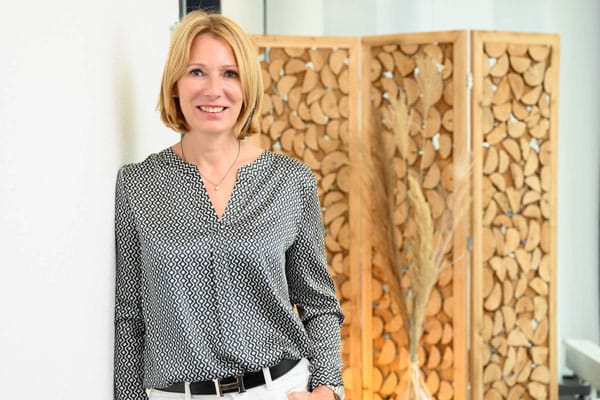
Specialist in plastic and aesthetic surgery
Specialist for surgery
Chairperson of the
German Society for Aesthetic Plastic Surgery

Specialist for
Plastic and aesthetic surgery