
Skin and soft tissue tumours
Surgical removal with a focus on function, safety and the most inconspicuous result possible
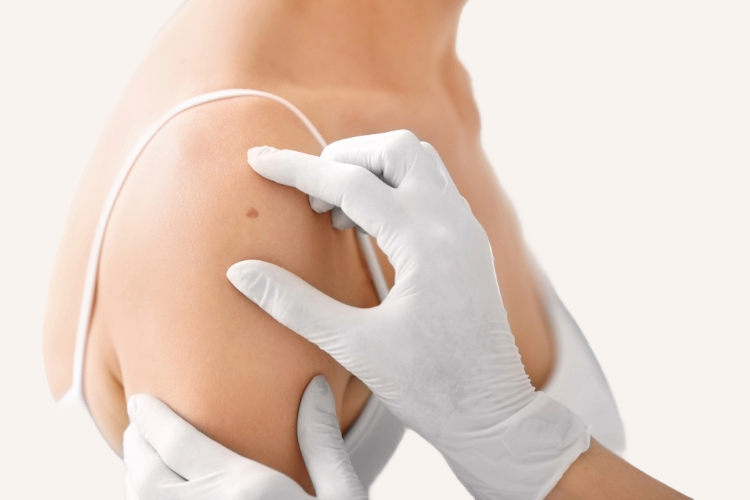
Anyone who discovers a new change on or under their skin is, understandably, unsettled at first. However, a lump that can be felt, increasing swelling or a visible change does not automatically mean that it is malignant. Many skin and soft-tissue tumours are benign – these include, for example, Lipomas, that is, benign changes in adipose tissue.
Nevertheless, any findings should be assessed by a doctor, particularly if they are new, are getting bigger, are causing symptoms or cannot be clearly classified. During a face-to-face consultation, we will first clarify, what the change is and whether surgical removal is at all necessary or advisable.
If surgery is required, it is not simply a matter of safely removing the lesion. Particularly in visible or anatomically sensitive areas, we also take care to, to preserve as much healthy tissue as possible, to maintain function and to ensure that the resulting scar is as inconspicuous as possible. This is one of the particular strengths of plastic and aesthetic surgery.
Brief overview:
Duration of treatment:
depending on size and location, often around 20–60 minutes
Anaesthesia:
usually local anaesthesia; for more extensive procedures, on a case-by-case basis
Length of stay:
often on an outpatient basis
Social skills:
depending on the location and scope, usually at short notice
Sport:
on a case-by-case basis, depending on the area of the body and the size of the wound
Aftercare:
Wound checks, removal of stitches where necessary, and personalised scar care
What are skin and soft tissue tumours?
The term covers a wide range of different changes to the skin, the subcutaneous tissue and deeper soft tissues. These include both benign and – much less commonly – malignant tumours.
Some of the more common benign changes include, for example:
- Lipomas
- Fibroids
- Atheromas or epidermoid cysts
- other benign skin and subcutaneous lesions
Not every lesion requires surgery. The decisive factors are the type, size, location and growth pattern of the lesion, any symptoms it may cause, and whether a clear diagnosis can be made – but also whether you yourself find the lesion aesthetically unsightly.
Lipoma – a common, benign soft-tissue tumour
A Lipoma is a benign tumour consisting of fatty tissue. It is often found just beneath the skin and is noticeable as a soft, usually movable lump. Lipomas usually grow slowly and often cause no symptoms.
Depending on their size and location, however, they may become visible, exert pressure, cause discomfort when moving or cause pain, or significantly affect one’s sense of aesthetics. However, not every palpable lump is automatically a lipoma. In particular, newly appearing, rapidly growing, unusually firm or deep-seated changes should be assessed by a specialist before removal.
In cases of conspicuous soft-tissue tumours, a structured diagnostic approach is important; where a malignant soft-tissue tumour is suspected, imaging and histological confirmation form part of a planned diagnostic and therapeutic strategy. To this end, we work closely with specialist colleagues and specialist diagnostic centres to coordinate the necessary investigations and treatment as effectively as possible.
When might surgical removal be advisable?
Removing a skin or soft-tissue tumour may be advisable for various reasons, for example if:
- the change is growing
- Pain or a feeling of pressure may occur
- mobility or function may be impaired
- recurrent inflammation occurs
- the finding causes mechanical interference
- the diagnosis is inconclusive
- the change is perceived as aesthetically jarring
A finding that is clearly benign and causes no symptoms, on the other hand, does not necessarily need to be removed.
How is the surgical removal carried out?
Before the procedure, the location, size and nature of the lesion are assessed and the incision is planned.
Minor superficial findings can often outpatient procedure under local anaesthetic be removed. In the process, the lesion is carefully detached from the surrounding tissue and removed as completely as possible.
In the case of a lipoma, the excision is usually carried out along the surrounding tissue structures. The wound is then carefully closed. Depending on the findings, this may be achieved by direct wound closure or – in the case of larger defects – by plastic and reconstructive techniques. Local flap plasty and Skin grafts are among the established methods of surgical reconstruction of the skin and subcutaneous tissue.
Why does planning for plastic surgery play such an important role?
When removing a tumour, the primary focus is on ensuring the medically correct treatment. At the same time, even before the operation, consideration should be given to the tissue defect that will result from the removal and how this can be closed in a way that is as functionally and aesthetically favourable as possible.
As specialists in plastic and aesthetic surgery, we therefore take the following into account right from the planning stage:
- an approach that is as gentle on the tissue as possible
- the position and length of the resulting scar
- a low-tension wound suture
- natural skin lines and lines of tension, as well as
- appropriate reconstructive procedures for more extensive defects.
Particularly on the face, neck, décolleté or other visible areas of the body, this forward-thinking planning can be crucial to the final result.
What happens to the removed tissue?
Depending on the findings, the removed tissue will be examined histopathologically. A pathologist examines the tissue sample under a microscope and can confirm the diagnosis. This is a vital part of the treatment, particularly in cases where changes cannot be clearly classified.
What should be borne in mind in the case of larger or deeper-seated tumours?
Larger, rapidly growing or deeper-seated soft-tissue tumours should not simply be removed without prior diagnostic planning.
If a malignant soft-tissue tumour is suspected, further imaging or a targeted tissue biopsy may be necessary. In the case of malignant soft-tissue tumours, the surgical approach depends on the type, size and location of the tumour; complete tumour removal with tumour-free resection margins is a key treatment objective.
What type of anaesthetic is required?
That depends on the size, depth and location of the lesion. Minor superficial lesions can usually be treated by local anaesthesia be removed. In the case of larger, deeper-seated or complex lesions, a different form of anaesthesia may be advisable.
After the procedure
Following minor procedures, patients can usually leave the surgery on the same day. Depending on the size and location of the wound, temporary swelling, bruising, a feeling of tightness or mild pain may occur.
The length of time for which physical exertion and sport should be avoided depends, in particular, on the area of the body and the extent of the procedure. In the case of areas subject to greater strain, the wound should be given sufficient time to heal properly.
Frequently asked questions about the removal of skin and soft tissue tumours
Does every lipoma need to be removed?
No. A lipoma that is clearly benign and causes neither discomfort nor any other problems does not necessarily require surgery.
Removal may be advisable if the lipoma is growing, causing pain, causing mechanical, functional or cosmetic problems, or if the diagnosis is unclear.
Can a lipoma come back?
If a lipoma has been completely removed, the risk of it recurring in the same place may be low. Regardless of this, further lipomas may develop in other parts of the body if there is a genetic predisposition.
Will there be a scar after the operation?
Every surgical incision leaves a scar. The aim is therefore to plan the incision so that the resulting scar is positioned as favourably as possible and is as inconspicuous as possible.
How a scar develops depends, amongst other things, on the part of the body, the individual’s wound-healing process, the tension on the wound and the extent of the procedure.
Is the removal painful?
During an operation under local anaesthetic, the area being treated is numb throughout the procedure. Afterwards, you may experience a slight tugging sensation, pressure or tightness for a few days.
How big is the incision made during a lipoma operation?
There is no one-size-fits-all answer to this. The size of the incision depends on the size, location and nature of the lipoma. The aim is always to make the incision as small as possible, whilst still allowing the lesion to be removed safely and completely.
Does a lipoma need to be examined by ultrasound beforehand?
Not every typical superficial lipoma necessarily requires imaging. However, in the case of unusual, larger or deeper lesions, an ultrasound scan or further imaging may be advisable.
Will the removed tissue be examined?
Depending on the nature of the findings, the removed tissue is sent for histological examination. This helps to ensure a reliable diagnosis, particularly in the case of changes that are difficult to classify.
Can several lipomas be removed at the same time?
In principle, several lesions can be removed in a single session where appropriate. Whether this is advisable depends on the number, size and location of the lesions, as well as the extent of the procedure.
When will I be able to return to work after the operation?
Following minor procedures, it is often possible to return to normal daily life quite quickly. However, in the case of physically demanding work or procedures involving heavily stressed areas of the body, a longer period of rest may be necessary.
When can I do sport again?
This depends largely on the location and size of the wound. Tension and pressure on the fresh scar should be avoided initially. Individual advice will be given at the follow-up appointment.
Will the health insurance cover the costs?
If there is a medical indication, the costs may be covered by health insurance. If the removal is requested solely for cosmetic reasons, it is generally a service that patients must pay for themselves. The issue of costs should be clarified on an individual basis before the procedure.
What should you look out for when choosing a doctor / clinic?
When choosing a specialist, make sure that you use the term Specialist in Plastic and Aesthetic Surgery. Other designations such as beauty doctor, cosmetic surgeon, etc. are unprotected and not a sign of qualification (more on "What should you consider when choosing a specialist?„).
Make sure that you receive a comprehensive preliminary examination and information about the course of treatment, possible risks and the healing process.
Why should you come to us?
Extensive experience, maximum hygiene and infection protection, continuous further training and maximum care are the basis of our practice. This is also reflected in the large number of positive patient reviews, our seals and awards.
Benefit from our many years of experience. Dr Michaela Montanari has been a member of the board of the German Society for Aesthetic Plastic Surgery (DGÄPC) since 2021.
Do you have any questions?
Dr Michaela Montanari and Dr Anna Maria Bugariu will be happy to answer any questions you may have. Arrange your personal consultation.
Our specialists for plastic and aesthetic surgery
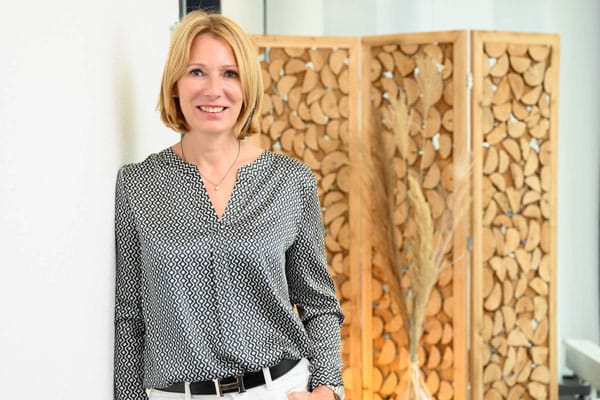
Specialist in plastic and aesthetic surgery
Specialist for surgery
Chairperson of the
German Society for Aesthetic Plastic Surgery

Specialist for
Plastic and aesthetic surgery